Charitable Partner Spotlight: PATH
09.30.2025
In Ghana, PATH is supporting research that could change how the world protects children from malaria—combining medicine and vaccines to save more young lives.

09.30.2025
In Ghana, PATH is supporting research that could change how the world protects children from malaria—combining medicine and vaccines to save more young lives.
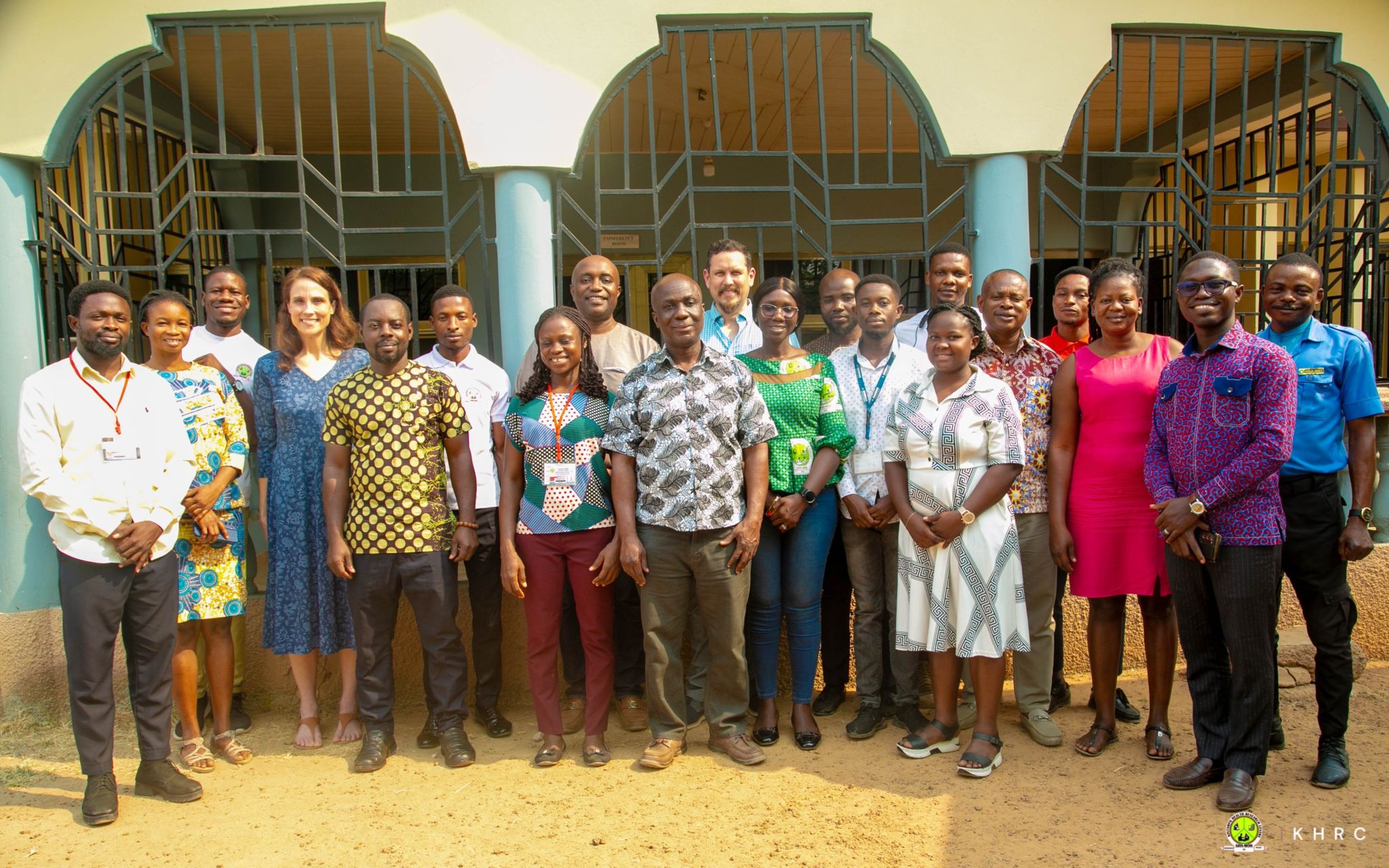
Study team members from Kintampo Health Research Centre and PATH during a site visit

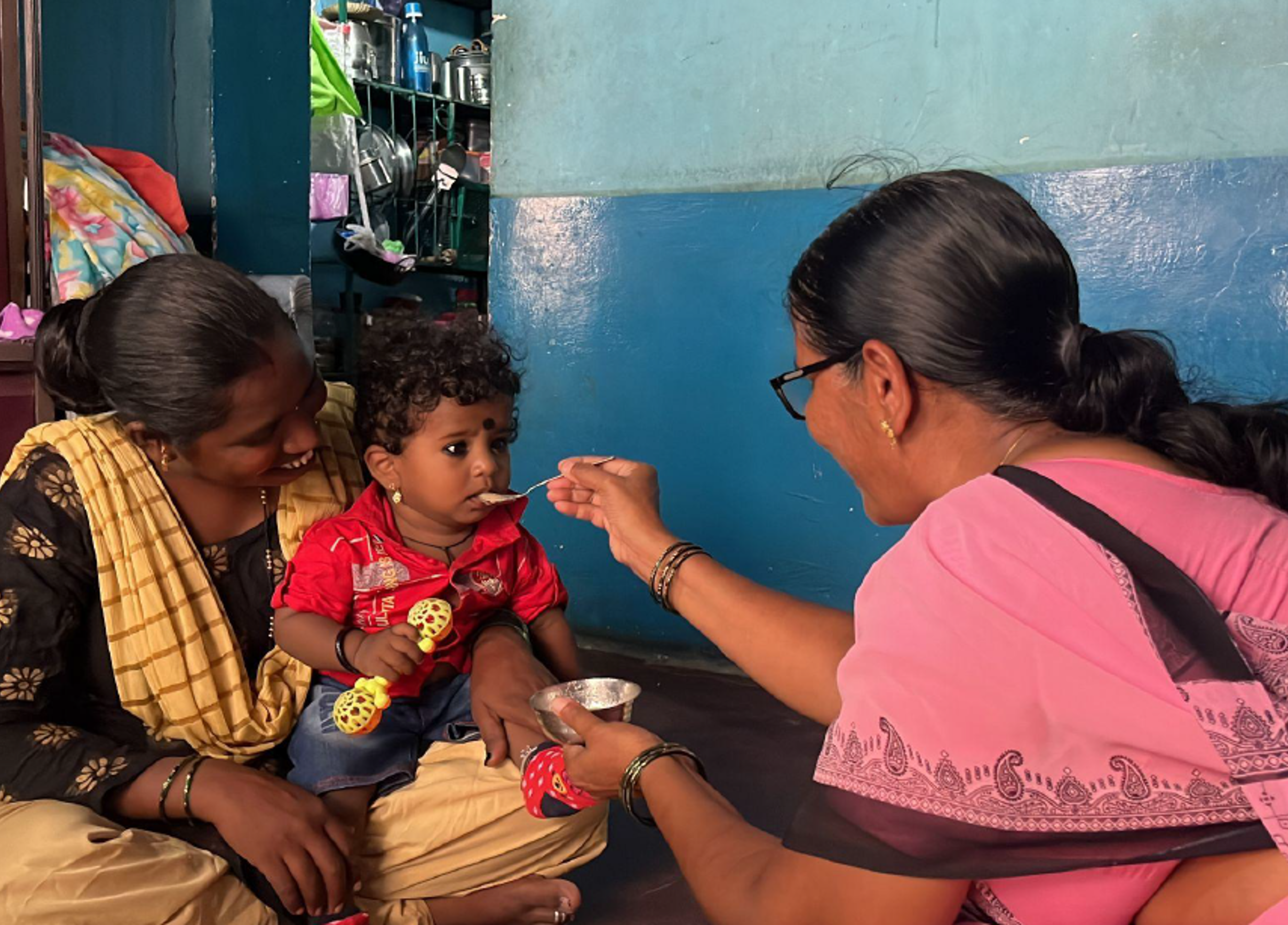
A nurse prepares a dose of the RTS,S vaccine at the Murunchusu Health Clinic
Malaria is still one of the deadliest diseases for young children in sub-Saharan Africa. It causes about 13% of all deaths in children under five, and most malaria deaths—around 76%—happen in this age group. In 2015, malaria caused roughly 212 million illnesses and 400,000 deaths worldwide. Despite global progress in health and technology, by 2023 those numbers had climbed to about 260 million cases and 600,000 deaths. Vaccines like RTS,S are effective but only provide modest protection in the first few years of life when children are most vulnerable.
Perennial Malaria Chemoprevention (PMC) is a proven medicine that helps prevent malaria in young children, especially in the age range where RTS,S is less effective. PATH, GiveWell, and the Gates Foundation are testing whether combining PMC with the RTS,S vaccine can protect children longer and more effectively. This trial in Ghana began in 2023 and includes about 2,300 infants. The study will finish collecting data in 2026.
Nearly all malaria deaths—about 95%—happen in Africa. PMC is simple, affordable, and powerful, costing just about 25 cents per dose. If this combined approach works, it could save countless young lives and help stop malaria on a large scale. The Ares grant, in partnership with GiveWell, made this possible. GiveWell previously committed $1.6 million and matched Ares’ $260,000 grant to ensure the trial could continue to completion.